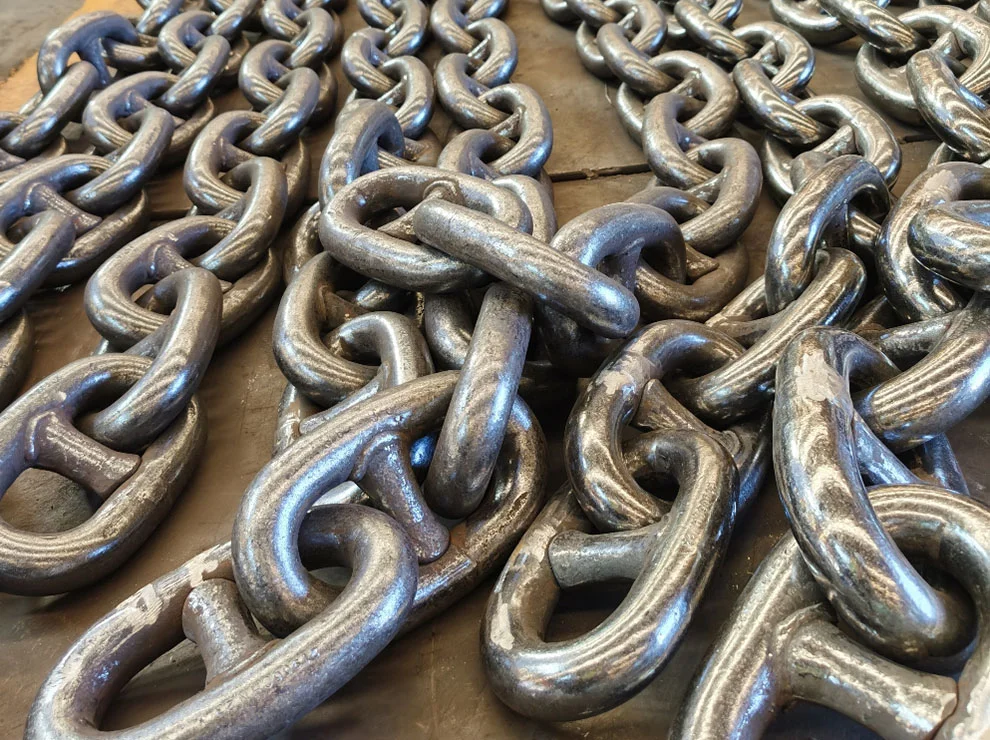
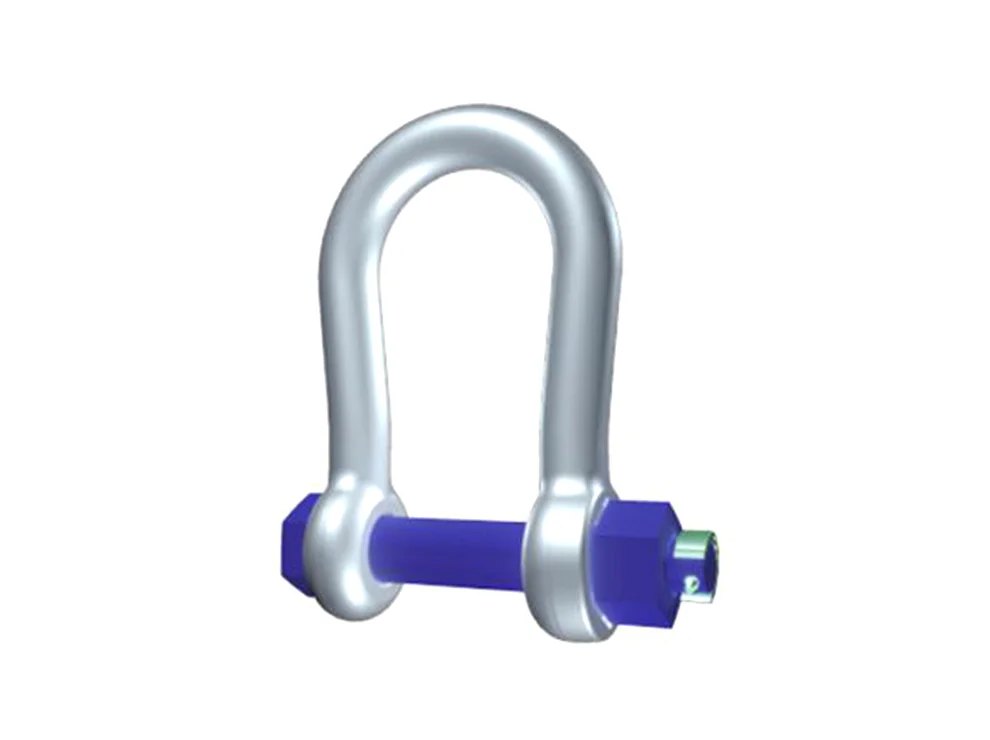
The joining Shackle, also known as D-type connecting shackle, is a connecting device used to connect the segments of anchor chain and is a key component in the maritime and offshore industries. It is an important part of the anchor system, ensuring that the anchor is firmly fixed to the anchor chain.
Joining chain shackles play a vital role in maritime applications, ensuring a reliable connection between the anchor chain and the various components of the ship's anchoring system. These important links are available in different types, each designed to meet specific requirements and conditions.
D Type Joining Shackle Drawing:
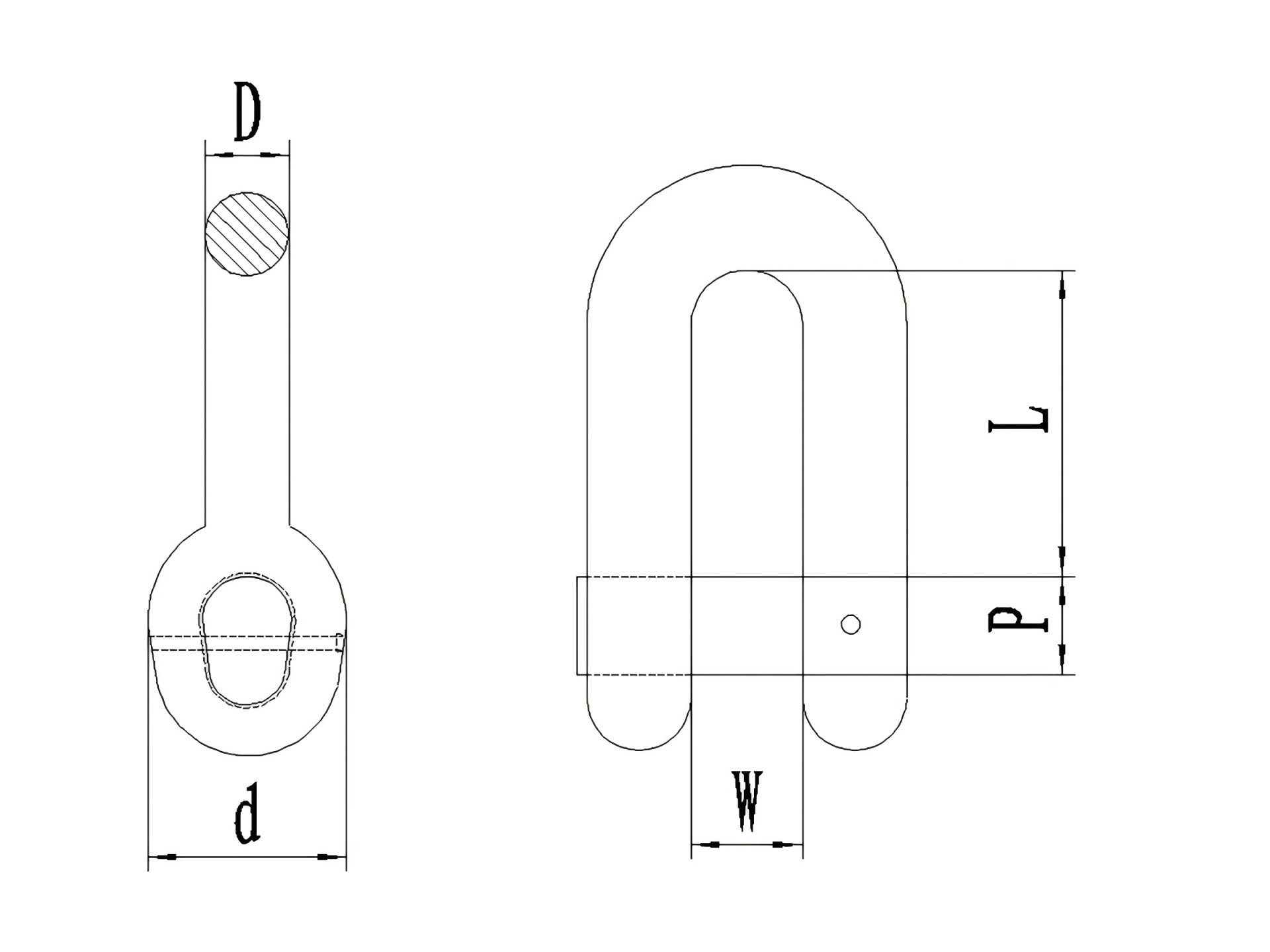
Specification Of D Type Joining Shackle:
| Size(mm) | D(mm) | L(mm) | W(mm) | d(mm) | P(mm) | Unit weight(kg) |
| 20.5 | 27 | 70 | 28 | 57 | 33 | 2.2 |
| 24 | 31 | 82 | 34 | 67 | 38 | 3.4 |
| 28 | 36 | 95 | 40 | 78 | 45 | 5.19 |
| 30 | 39 | 102 | 42 | 84 | 48 | 6.32 |
| 34 | 44 | 116 | 48 | 95 | 54 | 9.56 |
| 36 | 47 | 122 | 50 | 101 | 58 | 11.31 |
| 40 | 52 | 136 | 56 | 112 | 64 | 15.5 |
| 42 | 55 | 143 | 58 | 118 | 67 | 18.1 |
| 46 | 60 | 156 | 64 | 129 | 74 | 23.33 |
| 48 | 62 | 163 | 68 | 134 | 77 | 27.5 |
| 50 | 65 | 170 | 70 | 140 | 80 | 31.6 |
| 54 | 70 | 184 | 76 | 151 | 86 | 38.5 |
| 56 | 73 | 190 | 78 | 157 | 90 | 46 |
| 60 | 78 | 204 | 84 | 168 | 96 | 51 |
| 62 | 81 | 211 | 86 | 174 | 99 | 59.2 |
| 66 | 86 | 224 | 92 | 185 | 106 | 75 |
| 68 | 88 | 231 | 96 | 190 | 109 | 76.7 |
| 70 | 91 | 238 | 98 | 196 | 112 | 90 |
| 76 | 99 | 258 | 106 | 213 | 122 | 107 |
| 78 | 101 | 265 | 110 | 218 | 125 | 116 |
| 81 | 105 | 275 | 114 | 227 | 130 | 130 |
| 87 | 113 | 296 | 122 | 244 | 139 | 160 |
| 90 | 117 | 306 | 126 | 252 | 144 | 176 |
| 95 | 124 | 323 | 132 | 266 | 152 | 215 |
| 97 | 126 | 330 | 136 | 272 | 155 | 222 |
| 100 | 130 | 340 | 140 | 280 | 160 | 252 |
| 105 | 137 | 357 | 146 | 294 | 168 | 294 |
| 107 | 139 | 364 | 150 | 300 | 171 | 305 |
| 114 | 148 | 388 | 160 | 319 | 182 | 345 |
| 117 | 152 | 398 | 164 | 328 | 187 | 365 |
| 120 | 156 | 408 | 168 | 336 | 192 | 400 |
| 122 | 159 | 415 | 170 | 342 | 195 | 425 |
| 127 | 165 | 432 | 178 | 356 | 203 | 499 |
| 130 | 169 | 442 | 182 | 364 | 208 | 536 |
| 132 | 172 | 449 | 184 | 370 | 211 | 561 |
Frequently Asked Questions (FAQ)
1. Are joining shackle and anchor shackle the same thing?
No. They serve different purposes.
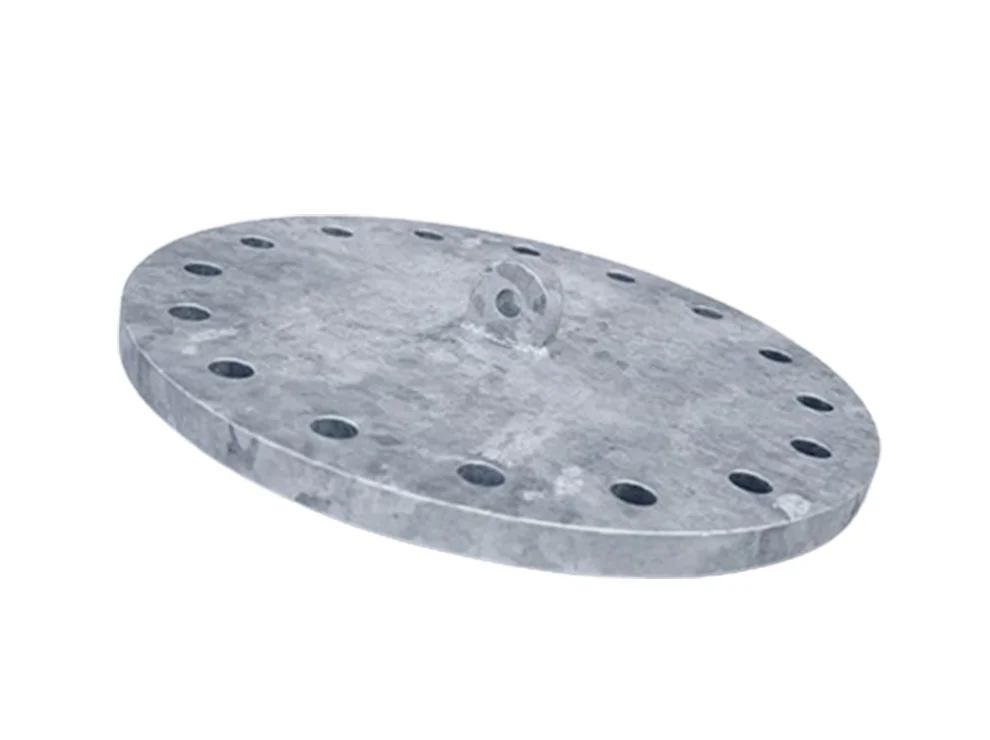
The D-Type joining shackle was originally used to connect chain sections. Today, that role is largely filled by the Kenter Shackle. The D-Type is now mainly used for connecting towing bridle chains to eye plates – where it doesn't need to pass through the gypsy wheel.
An anchor shackle connects the chain to the anchor. It is larger, heavier, and not interchangeable.
2. What is a joining shackle used for today?
Originally: to connect two chain sections.
Today: primarily used at the ends of towing bridle chains – connecting them to towline eye plates or fittings. A typical example is Korean towing bridle chains, where D-Type joining shackles are used at both ends of the bridle assembly to connect to towline eye plates.
3. Size and weight differences?
A D-Type joining shackle is 1.3d in diameter and weighs about 2.6kg for 22mm chain. An anchor shackle is 1.4d and weighs about 3.9kg – roughly 1.3kg heavier.
4. How does a joining shackle connect?
A D-Type joining shackle requires a three-step transition: End Link (E) → Enlarged Link (EL) → Common Link (C).
The Kenter Shackle connects directly to common links – no stepped transition needed. This is one reason it became the standard for chain-to-chain connections.
5. Can it pass through the windlass gypsy wheel?
The D-Type was originally designed to. But today, it's used where it doesn't need to – like towing bridle chain ends (e.g., Korean applications).
For chain-to-chain connections that pass through the windlass, use the Kenter Shackle.